
The transition to a low-carbon economy is a major challenge for businesses and local governments. This practical guide outlines an essential first step: setting clear and credible climate goals that are aligned with scientific and regulatory requirements.
Contents of the guide
Why set climate goals?
- The guide explains the importance of taking a proactive approach to climate change, new regulations (the Paris Agreement, the CO₂ Act, and the Climate and Innovation Act), and the growing expectations of stakeholders.
Understanding emissions and scopes
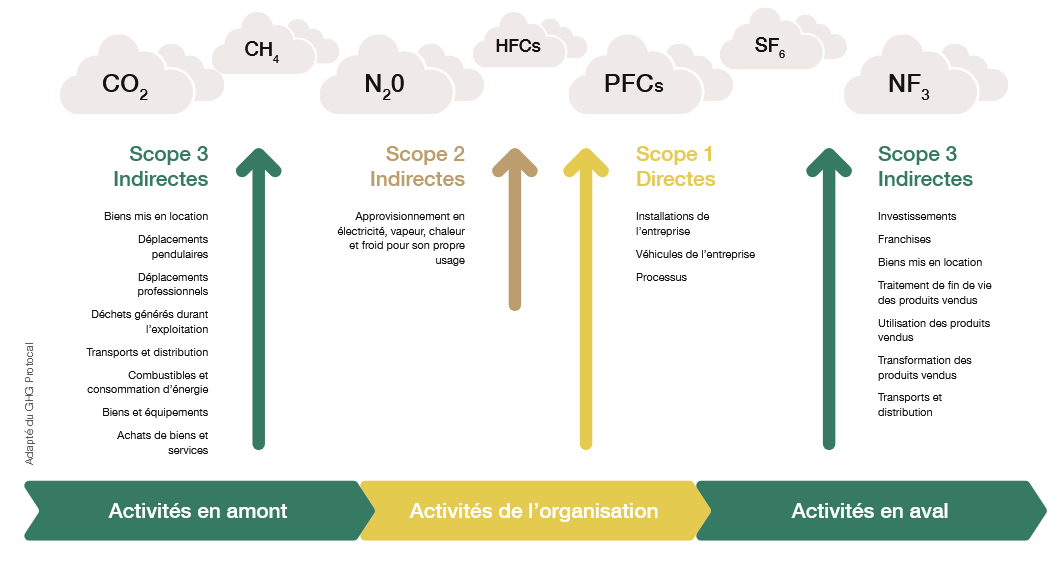
- It explains the concept of a greenhouse gas (GHG) inventory and the classification of emissions into Scope 1 (direct), Scope 2 (indirect energy-related), and Scope 3 (other indirect) emissions.
Methodology for Setting Goals
- The guide offers a structured approach:
- Conduct a GHG inventory in accordance with recognized standards (GHG Protocol, ISO 14064)
- Identify relevant sectoral objectives (building, transportation, industry)
- Choose a representative base year
- Calculate the reduction targets for 2030, 2040, and 2050
- Chart a path toward reduction and establish a roadmap of concrete actions
Incorporating Scope 3 and the SBTi framework
- To ensure a comprehensive approach, the guide recommends including Scope 3 emissions and aligning with the Science Based Targets initiative (SBTi), thereby ensuring the credibility and international recognition of these commitments.
Practical examples and resources
- Examples with figures, trajectory charts, a glossary, and additional resources make implementation easier.
Why read this guide?
This document serves as a guide for any company seeking to develop its climate strategy, anticipate regulatory changes, and strengthen its resilience. It offers practical advice, methodological tools, and insights tailored to the Swiss context.
To view the complete guide and access all the recommendations, visit the official website:
This content is created by the State of Geneva – Cantonal Office of Economy
and Innovation (OCEI), under a CC BY-SA 4.0 license.